

Cleaner power on set: what’s changing and why it matters
The industry has moved past debating whether greener power belongs on set. The real question now is how confidently productions can make the switch without adding risk, cost, or complexity.
Most crews recognise the downsides of petrol and diesel. Noise, fumes, fuel logistics, and transport all slow things down. Battery power offers a cleaner, quieter alternative, but adoption has been gradual. That is not down to resistance. It comes from uncertainty. Crews want to know what battery systems can realistically handle and how they fit into established workflows when schedules are tight.
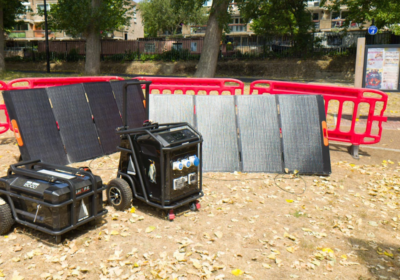
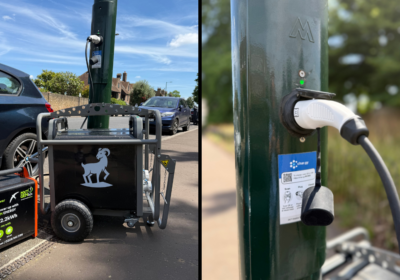
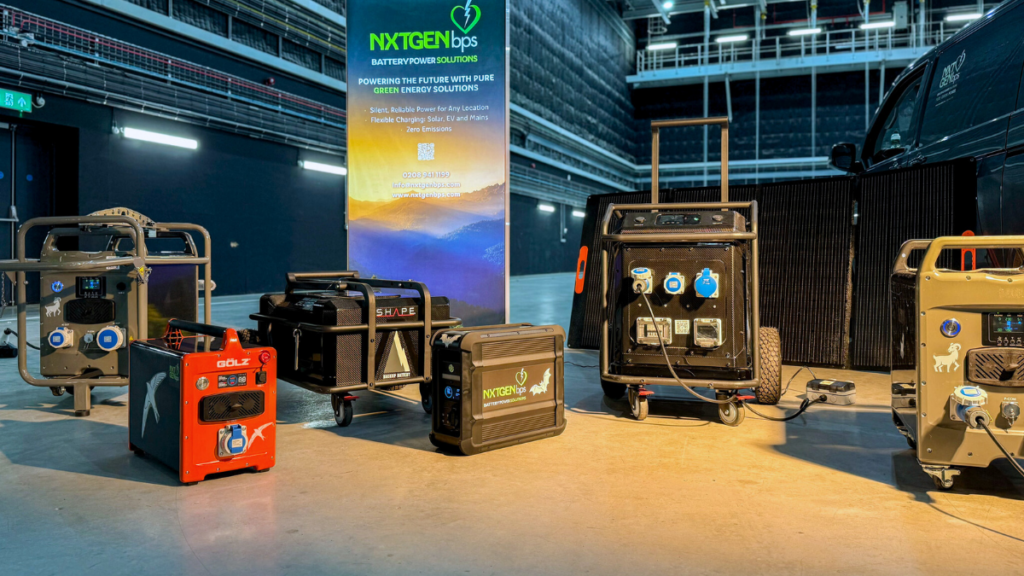
What has changed is the capability of the technology. Modern battery systems are now reliable enough to support a wide range of production needs, from small location shoots to more demanding setups. The benefits are immediate and practical. Silent operation improves communication. Zero emissions and no fumes remove health concerns. Faster setup and simpler cabling reduce time on site. Fewer fuel runs mean fewer vehicles and less disruption.
The transition is already underway, but often in stages. Many productions start by using battery power in specific areas, then expand as confidence grows. Once teams see these systems working day to day, hesitation fades quickly. Experience, not theory, is what drives change.
We expect the power conversation to shift again. Batteries will increasingly be judged on how efficiently they are used, not just the environmental credentials. Productions that plan energy properly and avoid waste will gain a clear operational advantage.
SPARK and what’s changing
The move away from diesel is becoming more defined. BAFTA albert’s SPARK: Clean Temporary Power by 2030 report sets out a commitment from major broadcasters and streamers to phase out fossil fuel generators over the coming years.
SPARK reflects a shift already happening on set. Battery power is no longer being judged on sustainability alone, but on how reliably it can support real production demands. As cleaner power is planned in from the start, replacing diesel becomes a practical decision rather than a disruptive one.
Events like BSC Expo (13–14 February 2026) allow crews to have practical, honest conversations about their power needs. Seeing battery systems in person, asking direct questions, and discussing real-world use helps turn sustainable power from an idea into something usable.
The move to green power is not about idealism. It is about better working conditions, smoother shoots, and smarter energy choices. The shift is now less about trying something new, and more about making it routine.
Come and visit NXTGENbps at BSC Expo, Stand 303, and make the switch to pure green energy.